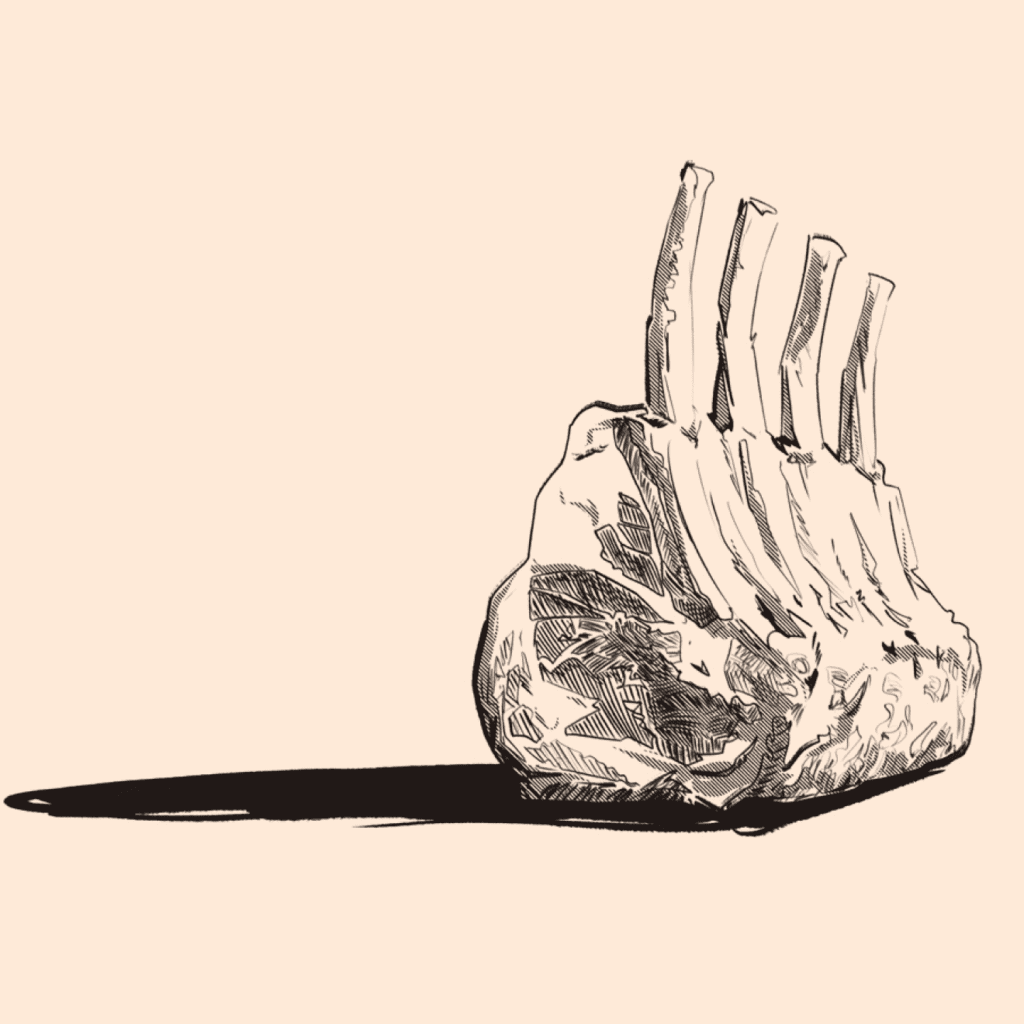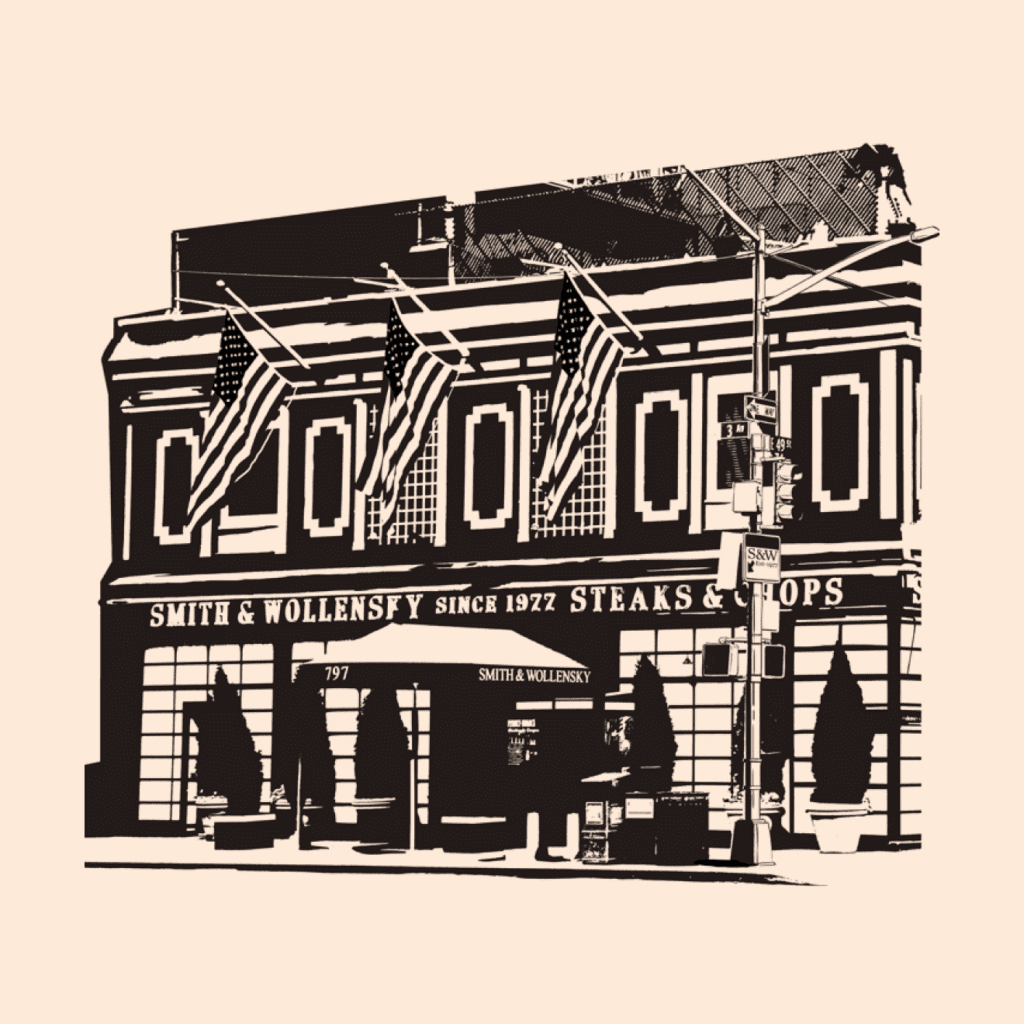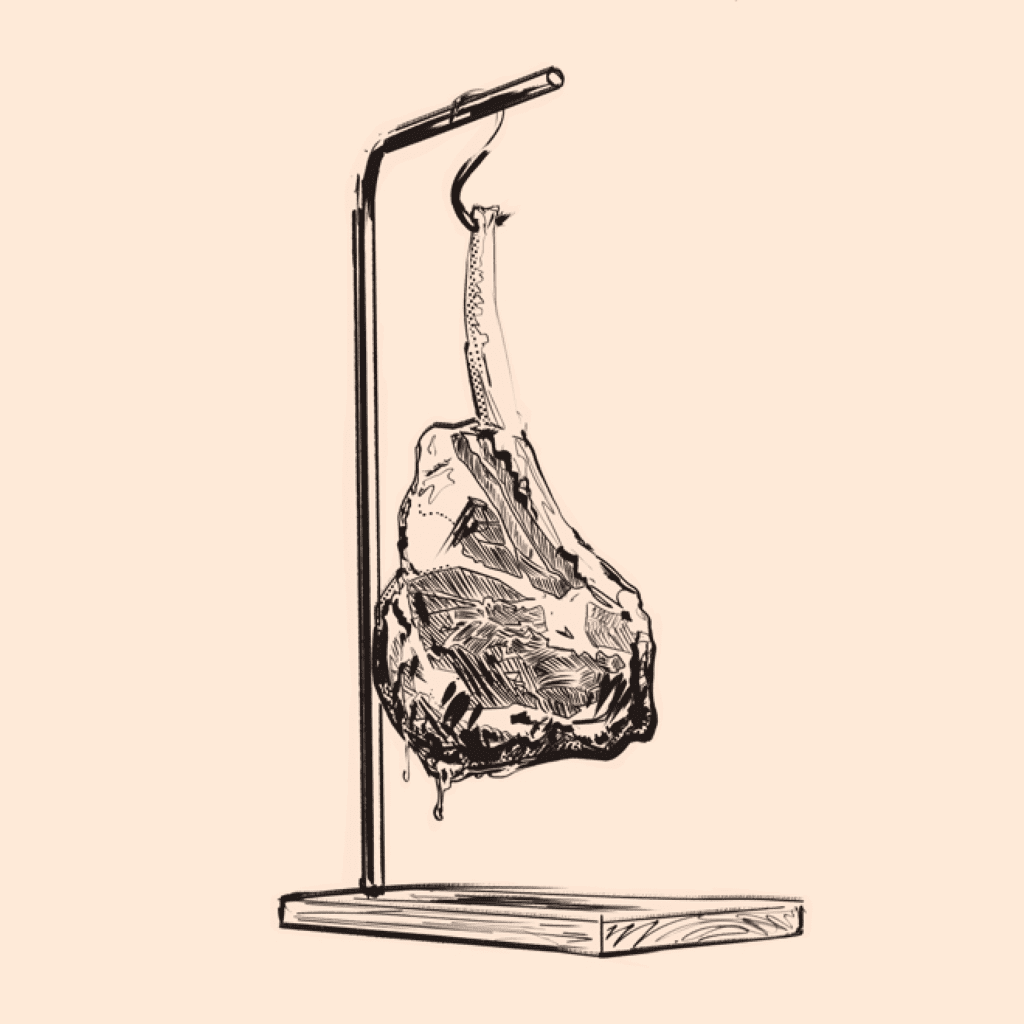



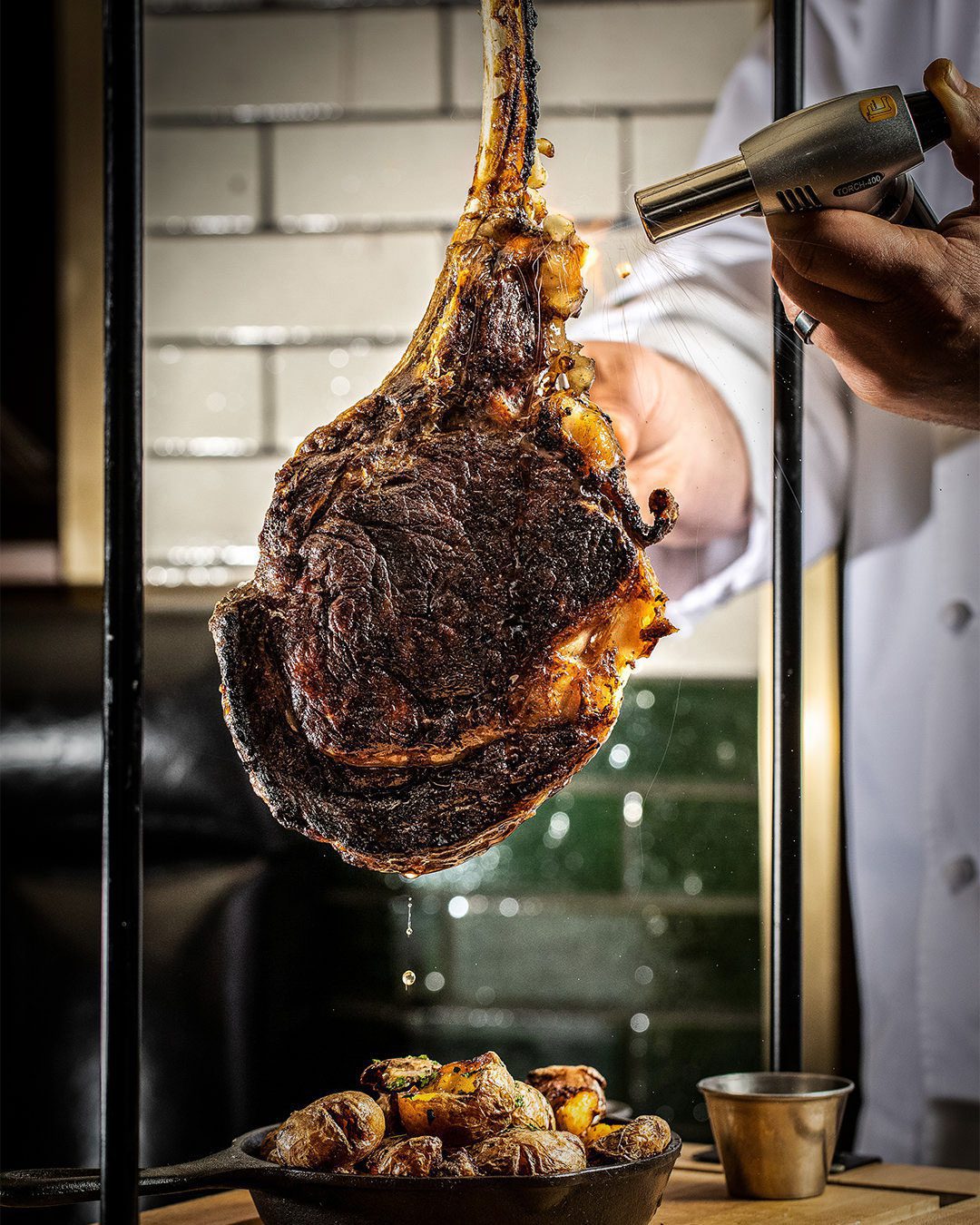
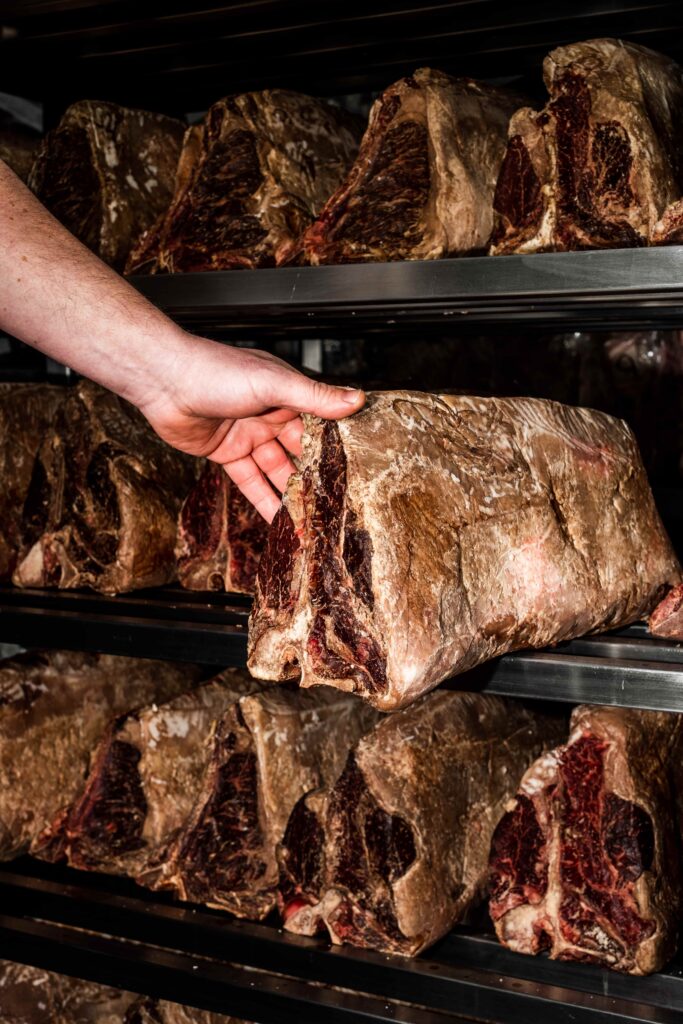
At Smith & Wollensky, our signature USDA Prime cuts are dry-aged in-house for a minimum of 28 days. Not outsourced. Not expedited. Done here, on our terms, the way it's been done since 1977. The result is a steak with deeper flavor and natural tenderness, where you can taste the care that went into it. This is what separates a great steakhouse from America's Steakhouse.
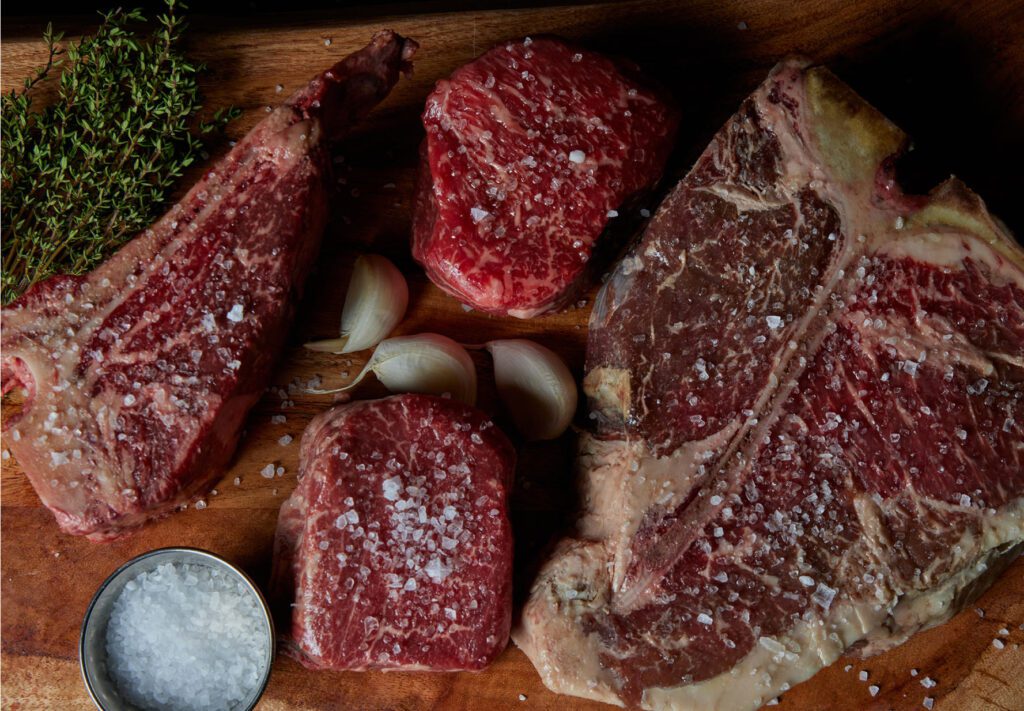


The S&W Standard
In-house dry-aging is a commitment most steakhouses can't make. We made it in 1977 and we haven't stopped.
It's one of the reasons our USDA Prime dry-aged steaks have earned their standing as a benchmark for what American dry-aged steakhouse dining should be. The quality is consistent because the process is non-negotiable. And the process is non-negotiable because we believe, simply, that there is no substitute for doing things right.
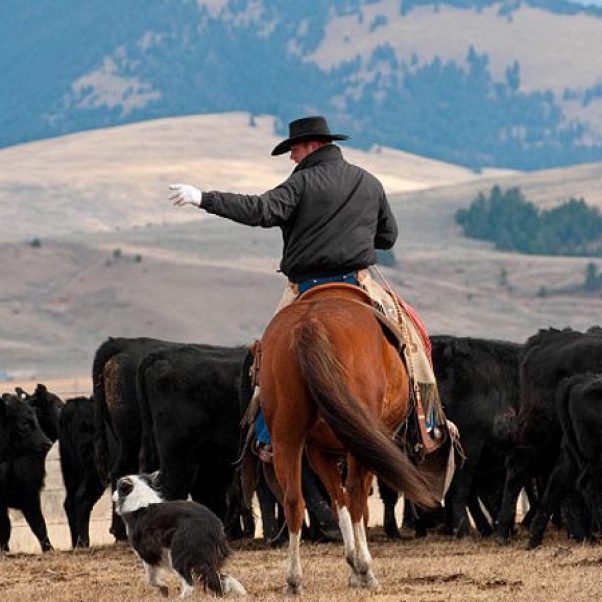
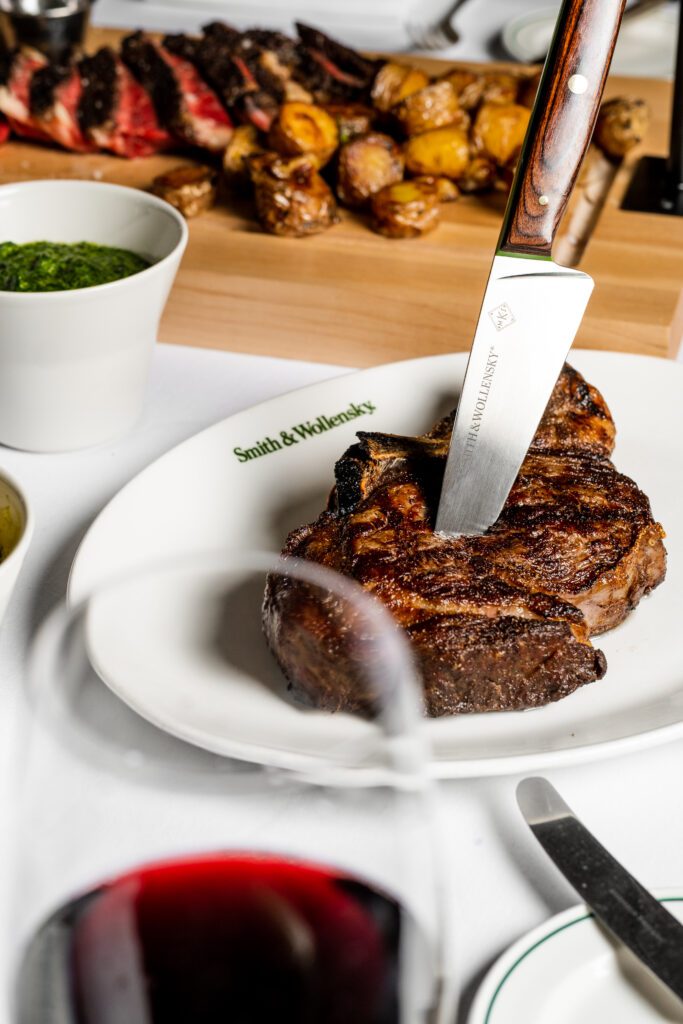
At Smith & Wollensky, that belief extends to every detail, from the custom weight of our steak knives to the thoughtful sourcing of every cut on the menu. From the award-winning wine program curated to complement our beef, to the hospitality that's been the heartbeat of this place since day one.
Excellence, in other words, is not a finishing touch. It's the foundation.
Dry Aging FAQs
How long has Smith & Wollensky been dry aging beef?
We’ve dry aged our beef in-house since Alan Stillman opened our doors in 1977. At a time when many steakhouses served beef aged elsewhere and bought pre-processed, we built our own aging program instead, and that commitment hasn’t changed since.
What makes Smith & Wollensky’s dry-aged steak different from other steakhouses?
Aging happens entirely in-house rather than being outsourced or expedited. Temperature, humidity, and airflow are precisely controlled throughout the process, and the 28-day minimum is treated as a floor, not a target, so quality stays consistent cut to cut.
What does dry-aged beef taste like?
It’s beefier and more concentrated, with a nutty, almost buttery flavor that develops through the aging process. That depth is genuinely difficult to describe until you’ve experienced it, and it’s a distinct, noticeable difference from a wet-aged or fresh-cut steak.
Why does dry-aged steak develop a better crust?
The drier surface of a dry-aged cut produces the Maillard crust, a dark, crackling sear, faster and more completely than a moisture-heavy steak. That means more caramelization and more of the texture contrast a great steakhouse meal is supposed to deliver.