
Smith & Wollensky monogram
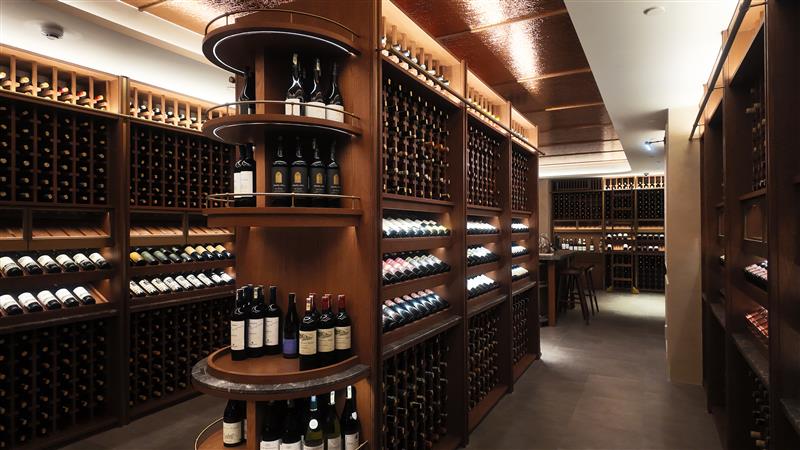
A well-lit wine cellar with wooden shelves and racks filled with bottles of wine, featuring a central round display and a seating area with stools in the background.

Protected: Wine Worthy of the Steak

This content is password-protected. To view it, please enter the password below.

From bold Napa cabernets to crisp California whites, our wine program runs on the same principle as everything else at Smith & Wollensky: no compromises.
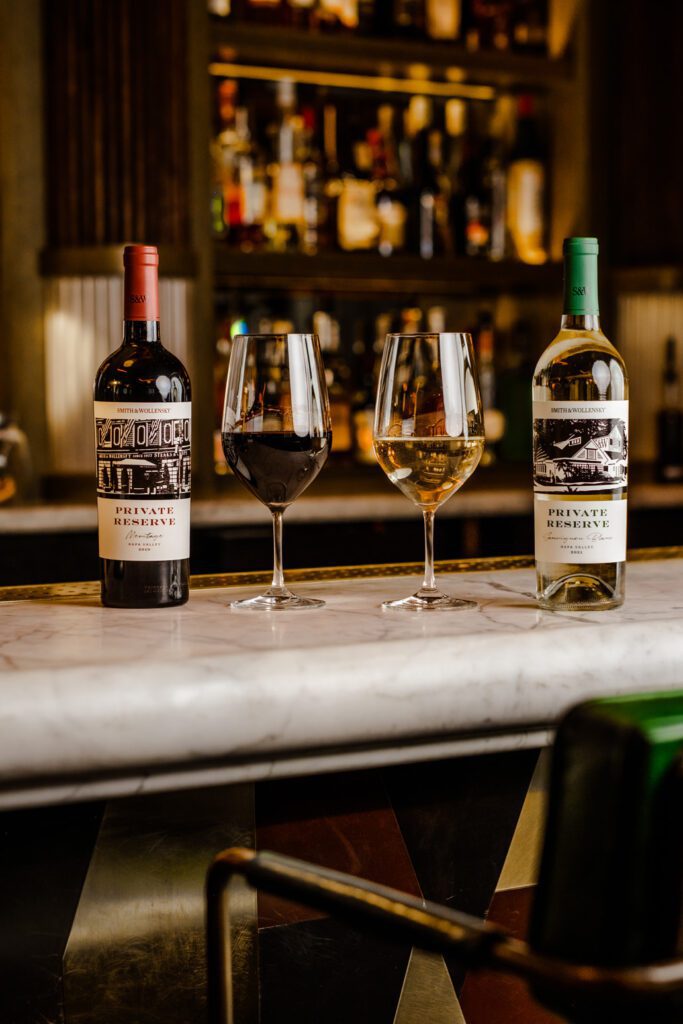
Red and white wines on the top of a white counter

Backing American wine

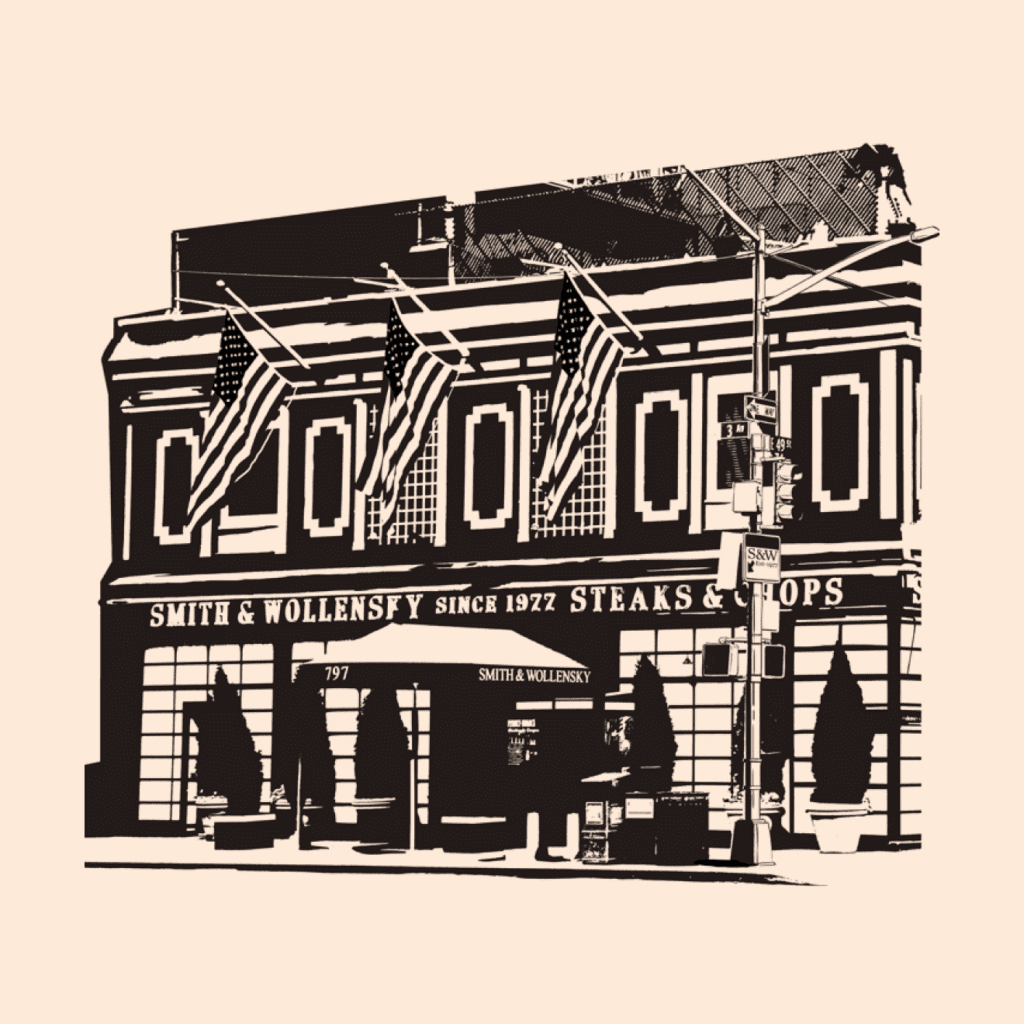
In 1977 we opened on the corner of Third and 49th with a plan to serve the best beef in America. The wine list followed the same logic. While most white-tablecloth rooms in New York were pouring Bordeaux and calling it a night, Alan Stillman was buying California — early, seriously, and in volume.

In the 1980s he launched National Wine Week: four restaurants, twenty vintners, and ten wines poured at lunch for anyone curious enough to try them. It has run twice a year ever since, for more than fifty editions. There was a stretch when we tore up the list entirely and went all-American, with over 650 wines from nearly every wine-producing state in the country.

That history is why the Smith & Wollensky Restaurant Group has held a Wine Spectator Restaurant Award for more than twenty-five consecutive years, with several locations earning the Best of Award of Excellence — a distinction reserved for lists of 400 selections or more.

explore our menus
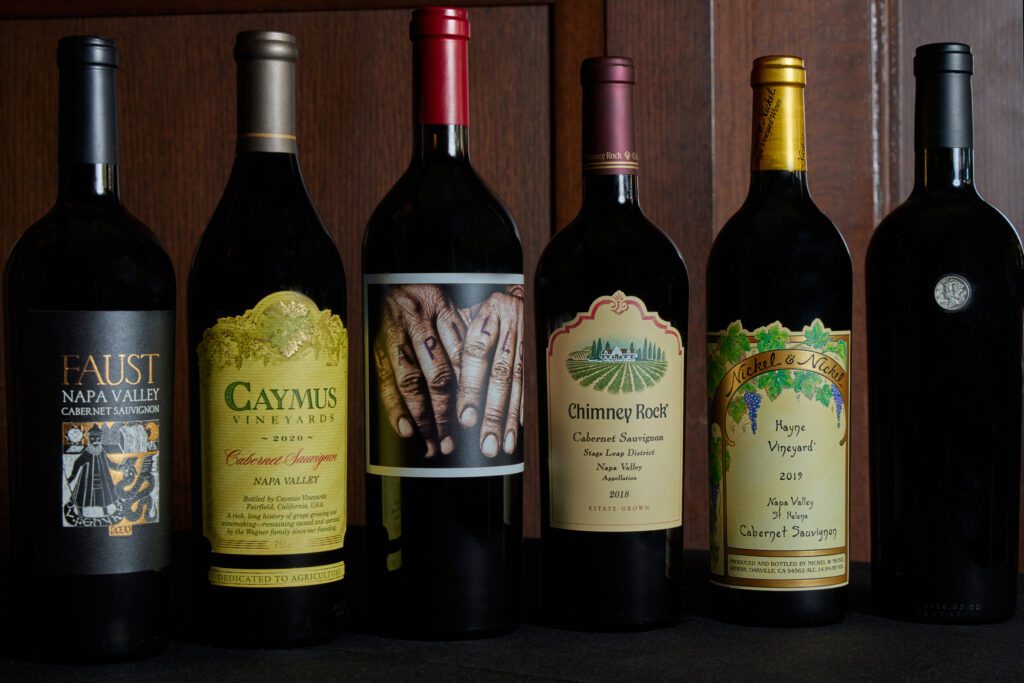
Six bottles of red wine are lined up side by side on a wooden surface, each with distinct labels, including brands like Faust, Caymus Vineyards, and Chimney Rock. The bottle on the right has no visible label.

What's on the list

The list leans American and leans Napa, because that's what a dry-aged steak wants. Cabernet Sauvignon is the backbone — Yountville, Oakville, Rutherford, St. Helena — alongside Chardonnay from Carneros and the Sonoma Coast, Pinot Noir from the Russian River, and Zinfandel with enough weight to stand up to a ribeye.

Beyond California, there's depth for guests who want to go looking: Bordeaux, Barolo, Rioja, Champagne, and a rotating bench of small-production bottles our wine team tastes through before anything earns a line on the list.

Several locations hold allocated bottles you won't find on a retail shelf. Ask. That's what the list is for. Each restaurant keeps its own list. Cellars differ by city, so the Chicago list is not the Miami Beach list. Current wine lists are published on each location page.

find your location
Two people at a table in discussion

Ask the sommelier

Our sommeliers are on the floor to make the list smaller, not larger.

Tell them what you're eating and roughly what you want to spend, and they'll narrow 400 bottles down to two. Tell them you liked something once and can't remember the name, and they'll work it out. Tell them you don't know anything about wine at all, and that's a good night for everyone — it's the conversation they most enjoy having.

There is no wrong question here and no minimum spend that earns you their attention. Collectors get the same welcome as first-timers, and first-timers get the same welcome as collectors.

plan a private wine dinner
Arrow pointing to the left
Arrow pointing to the right

A Legendary Partnership

The Charles Krug Collection

Charles Krug planted his first vines in St. Helena in 1861, which makes it Napa Valley’s oldest winery. It has been in the Mondavi family since 1943. They make three wines for us, and only for us — custom cuvées blended to sit next to our food specifically.
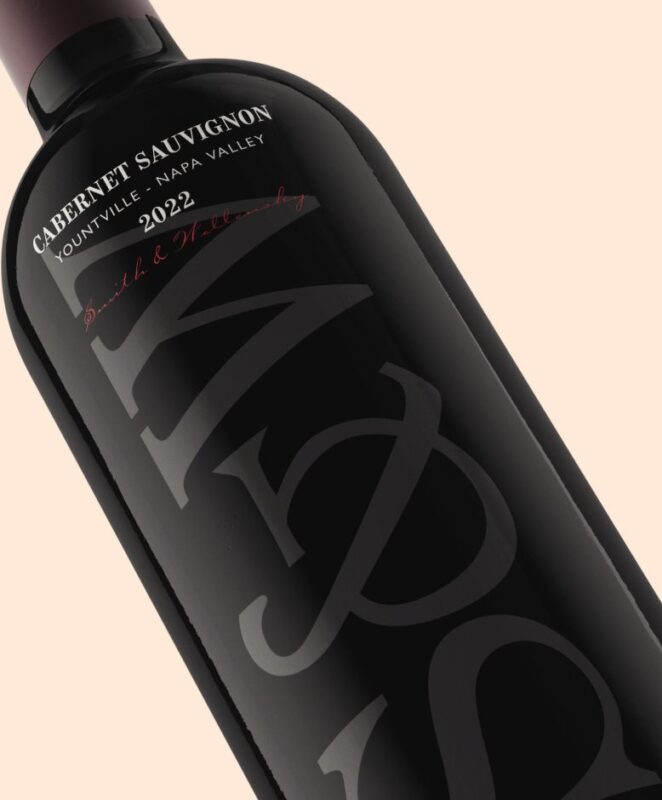
The Cabernet Sauvignon Yountville 2022, made for Smith & Wollensky by Charles Krug Winery

The Cabernet Sauvignon
Yountville 2022

Full-bodied and silky, with dried blueberry, black currant, brown sugar, cocoa nib and a lift of raspberry on the finish. The house pour for anything dry-aged.
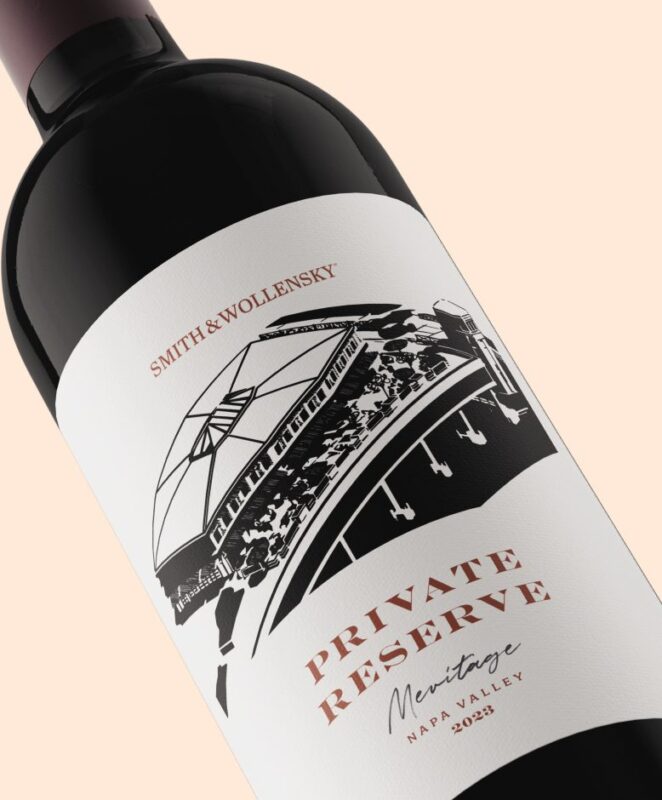
The Private Reserve Meritage 2023, made for Smith & Wollensky by Charles Krug Winery

The Private Reserve
Meritage 2023

Ripe strawberry, dark currant, vanilla and brown butter. Balanced for purity and elegance, and the bottle we reach for when there is Wagyu on the table.
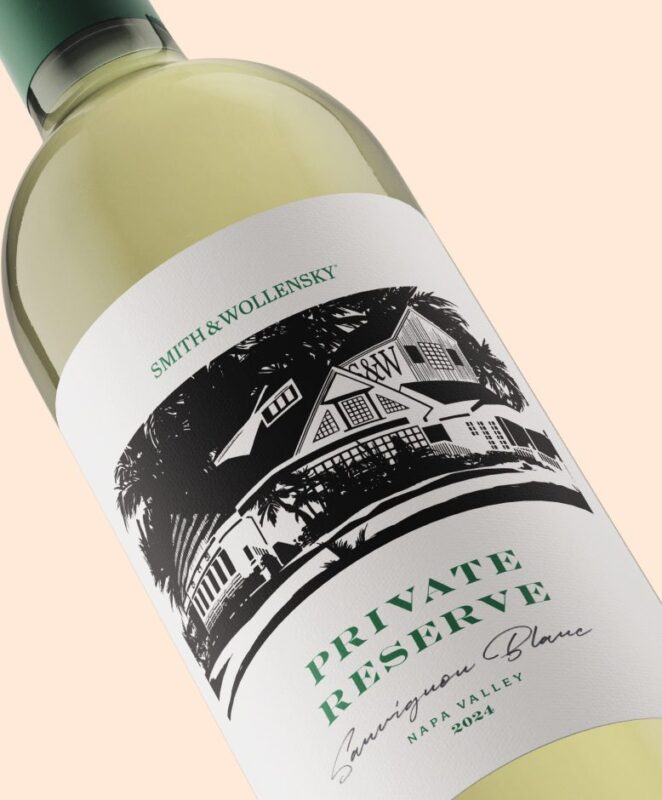
The Private Reserve Sauvignon Blanc 2024, made for Smith & Wollensky by Charles Krug Winery

The Private Reserve
Sauvignon Blanc 2024

Florals and lime blossom over tropical fruit, Bartlett pear, lemongrass and a mineral edge. Built for the seafood bouquet.

What Wine Goes With Your Steak

A short guide from our sommelier team. Not rules, starting points.

Dry-Aged Porterhouse

A structured Napa Cabernet Sauvignon

Dry-aging concentrates the beef and adds a deep, nutty edge that a soft, fruit-forward red disappears against. You want firm tannin and real structure. A Napa Cab with some age on it is the classic answer, and the reason it is a cliché is that it is correct.

Filet Mignon

Pinot Noir, or a full-bodied Chardonnay

The filet is our leanest cut, and a heavy tannic red will bury it. Pinot Noir matches its delicacy and picks up the char. If you would rather drink white, a barrel-aged California Chardonnay works better here than on any other cut.

American Wagyu Ribeye

A Merlot-forward blend with grip

Wagyu’s intramuscular fat coats the palate, so the wine needs acidity to cut through and enough body not to vanish. A Meritage or Merlot-heavy Bordeaux blend does both. Big, jammy, low-acid reds fight the fat instead of clearing it.

Bone-In Ribeye

Zinfandel, Syrah, or a bold Cabernet

Marbling wants power. Zinfandel brings ripe fruit and spice against the fat cap; Syrah brings pepper and smoke against the crust. Either holds its own.

Seafood Bouquet & Lobster

Sauvignon Blanc or Champagne

Chilled shellfish wants acid and salinity, not oak. A crisp Sauvignon Blanc resets the palate between bites. For butter-poached lobster, a richer Chardonnay earns its place. Champagne works with all of it, which is why we pour a lot of it.
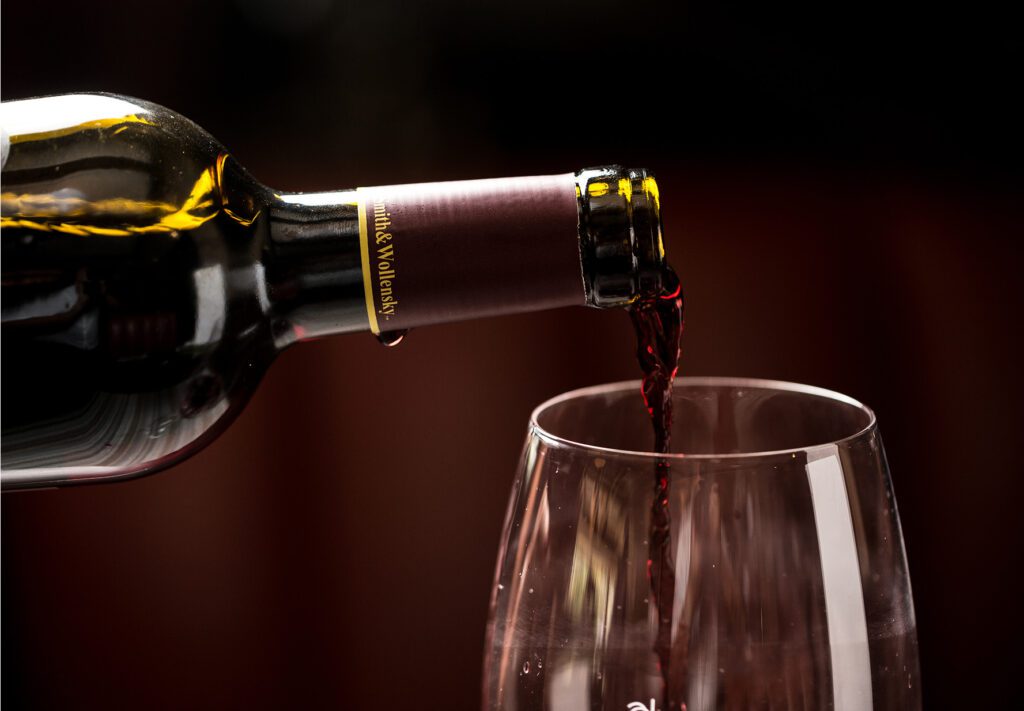
A bottle of red wine is being poured into a clear wine glass against a dark, blurred background.

National Wine Week

Twice a year, spring and fall, we pour ten wines at lunch for a flat price and let guests taste their way through them. It started in the 1980s with four restaurants and twenty vintners, and it has run for more than fifty editions since — one of the longest-running wine events at any American restaurant group. Past weeks have brought in producers from Napa, Sonoma, Rioja, Burgundy, and beyond, with themed days and a portion of proceeds going to charity. It's the least intimidating way to discover a wine you'll order for years.

The list is waiting. So is the steak.

reserve a table

Wine FAQs

Does Smith & Wollensky have a sommelier?

Yes. Every Smith & Wollensky restaurant has sommelier-trained staff on the floor during service to help guests choose a bottle, and each location maintains its own wine list.

Has the Smith & Wollensky wine list won awards?

Yes. The Smith & Wollensky Restaurant Group has been recognized by Wine Spectator’s Restaurant Awards for more than twenty-five consecutive years, and several locations have earned the Best of Award of Excellence, which recognizes lists of 400 or more selections.

What wine goes best with dry-aged steak?

A structured Napa Valley Cabernet Sauvignon. Dry-aging concentrates the beef’s flavor and adds nutty depth, which needs firm tannin and body to stand against it. For leaner cuts like filet mignon, a Pinot Noir is a better match.

Does Smith & Wollensky have its own wine?

Yes. The Charles Krug Winery in Napa Valley produces three exclusive cuvées for Smith & Wollensky: a Cabernet Sauvignon from Yountville, a Private Reserve Meritage, and a Private Reserve Sauvignon Blanc.

Is the wine list the same at every Smith & Wollensky?

No. Each restaurant keeps its own cellar and its own list, so selections differ by city. Every location publishes its current wine list on its own page.

Do you offer wine pairings with the menu?

Our sommelier team will build a pairing for your table on request, and pairing menus can be arranged in advance for private dining and wine dinners.