
Smith & Wollensky monogram
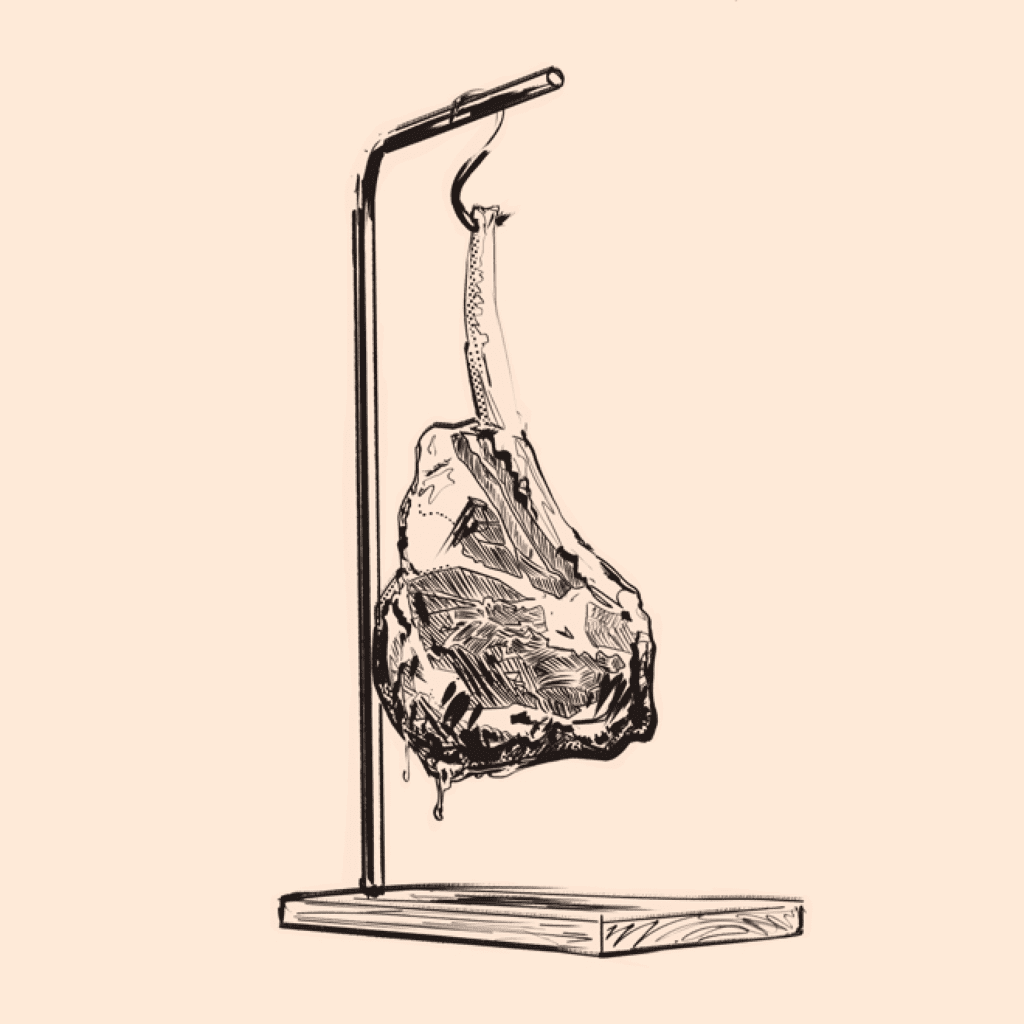
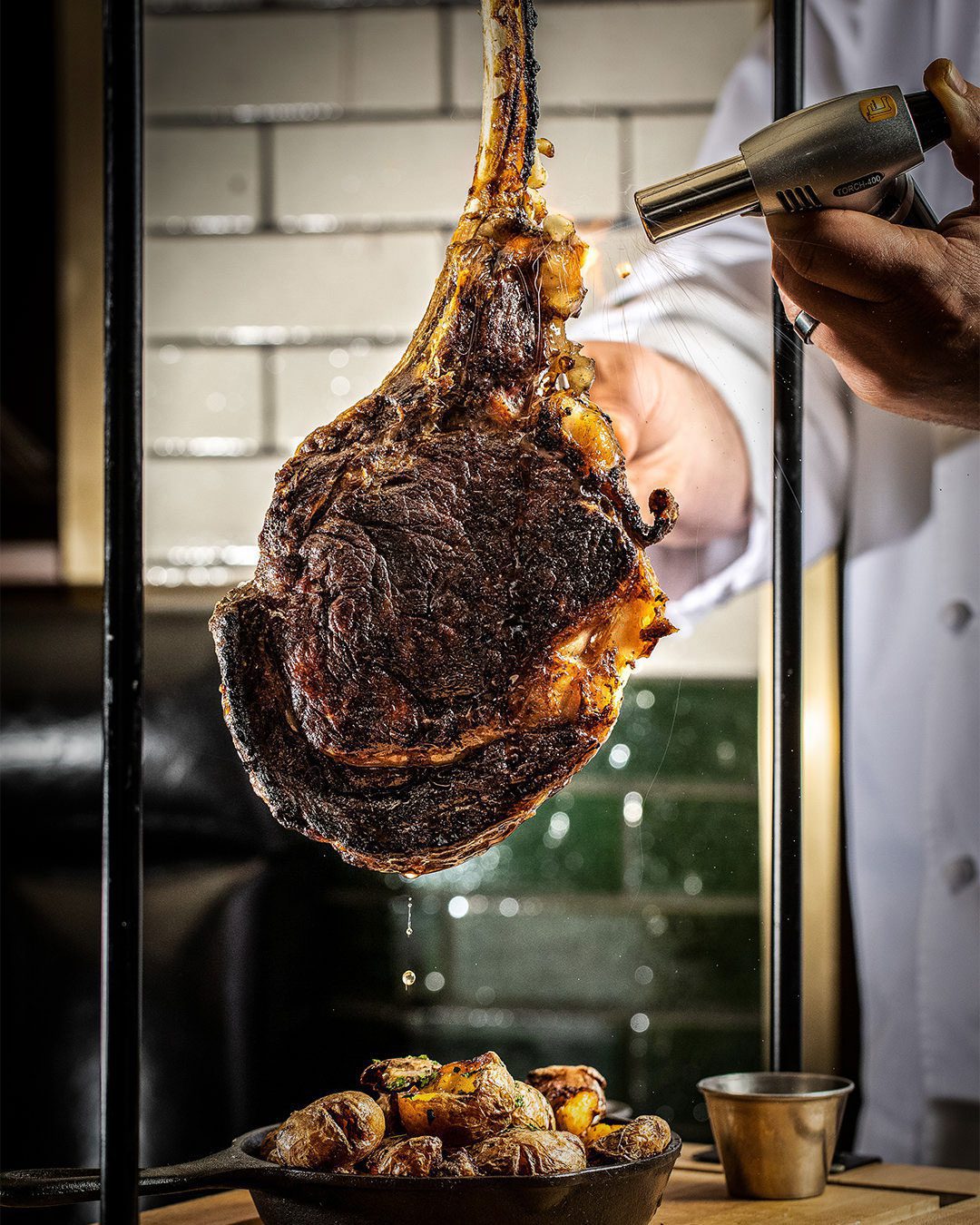
Swinging Tomahawk steak at Smith & Wollensky steakhouse

THE ART OF DRY AGING

At Smith & Wollensky, our signature USDA Prime cuts are dry-aged in-house for a minimum of 28 days. Not outsourced. Not expedited. Done here, on our terms, the way it's been done since 1977. The result is a steak with deeper flavor and natural tenderness, where you can taste the care that went into it. This is what separates a great steakhouse from America's Steakhouse.
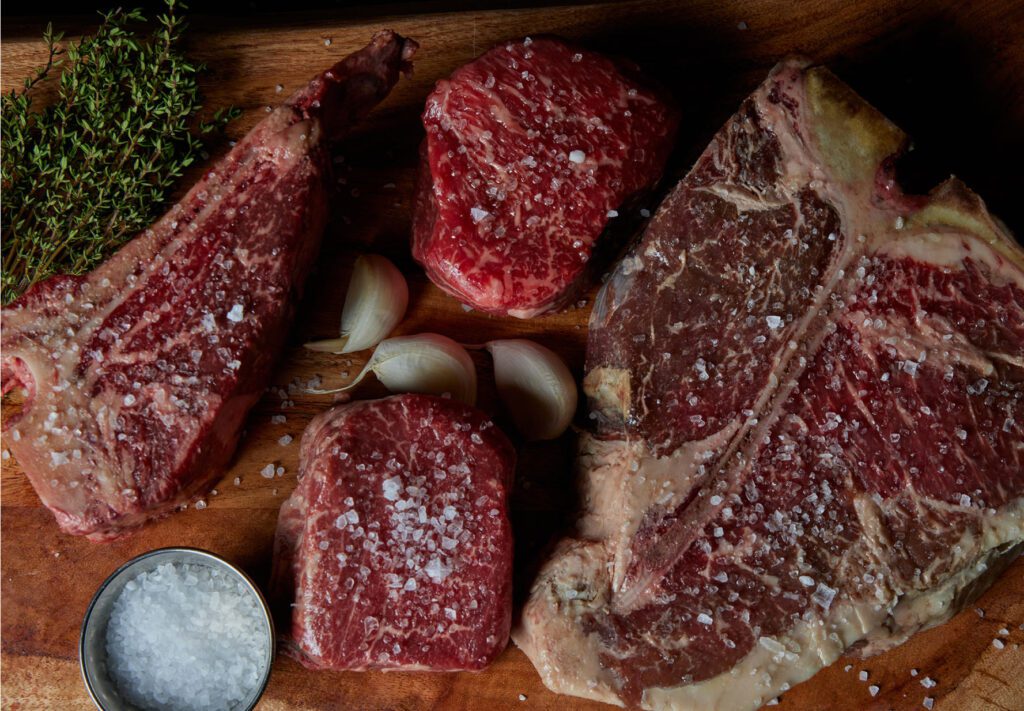
Various cuts of raw steak sprinkled with coarse salt are arranged on a wooden board, along with sprigs of thyme, garlic cloves, and a small bowl of salt.

Why We Age

We have dry-aged our beef in-house since Alan Stillman opened our doors in 1977. At the time, many steakhouses were serving aged beef they'd bought already processed, already on the clock. We built our own aging program instead. Nearly five decades later, that commitment hasn't changed by a single day.

The dry aging process is, at its core, a controlled act of patience. Under precise temperature and humidity conditions, beef loses moisture gradually while concentrating its natural flavors into something richer, more complex, more intensely satisfying than a fresh-cut piece of meat can ever be. Natural enzymes present in the muscle break down the tissue over time, creating a tenderness that no marinade or mechanical process can replicate.

Every bite is a testament to uncompromising quality.

Explore Our Menus
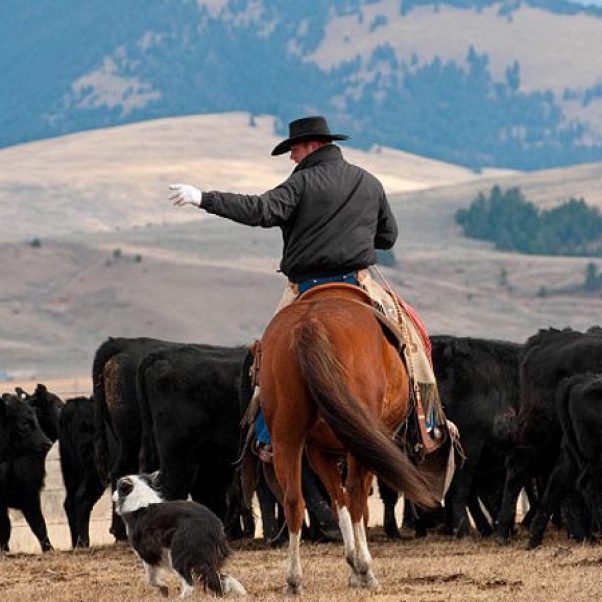
Cowboy on horse is herding cows with his border collie

The Process

Every cut begins with sourcing. Our USDA Prime steaks, including the classic porterhouse and ribeye, come from a network of small family farms, sustainably produced by our partners at Double R Ranch. Humanely raised. Grain-fed. Selected for the marbling and quality our guests have come to expect. From there, the aging begins.

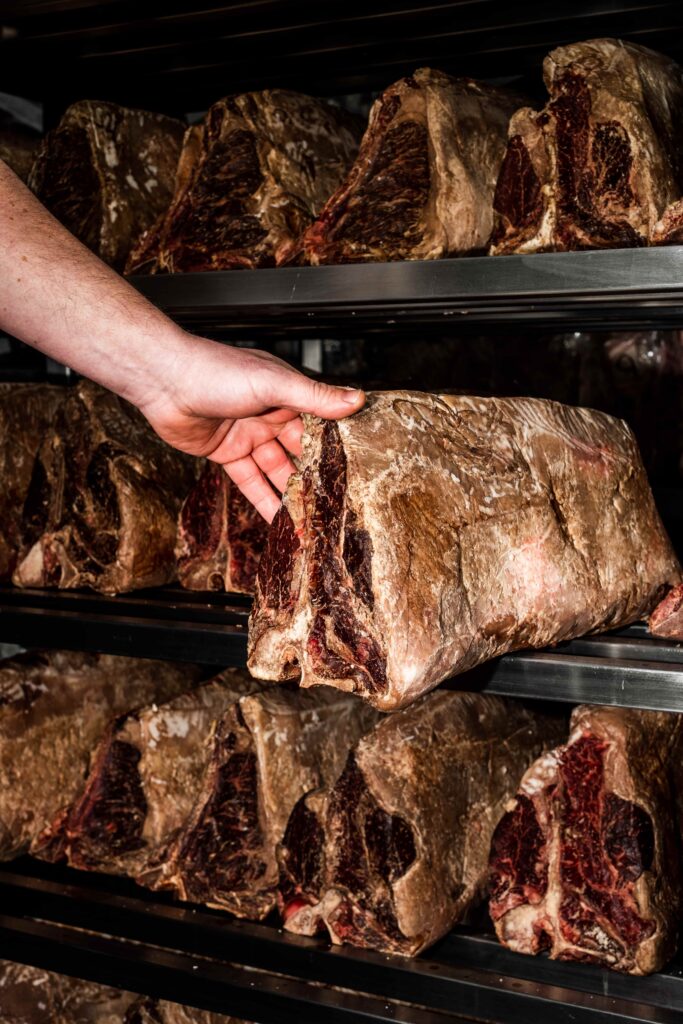
The beef is placed in our in-house aging room, where temperature, humidity, and airflow are precisely controlled throughout the process. We age for a minimum of 28 days as a standard, not a suggestion. Some cuts age longer. None are rushed.

During that time, two things happen simultaneously. Moisture evaporates, concentrating flavor. Natural enzymes break down the muscle structure, building the kind of tenderness that has to be earned and cannot be manufactured. The result is a leaner exterior, the source of the signature dry-aged crust when the steak hits the heat, and an interior that's deeper, nuttier, and more intensely flavored than anything that hasn't had the same patience.

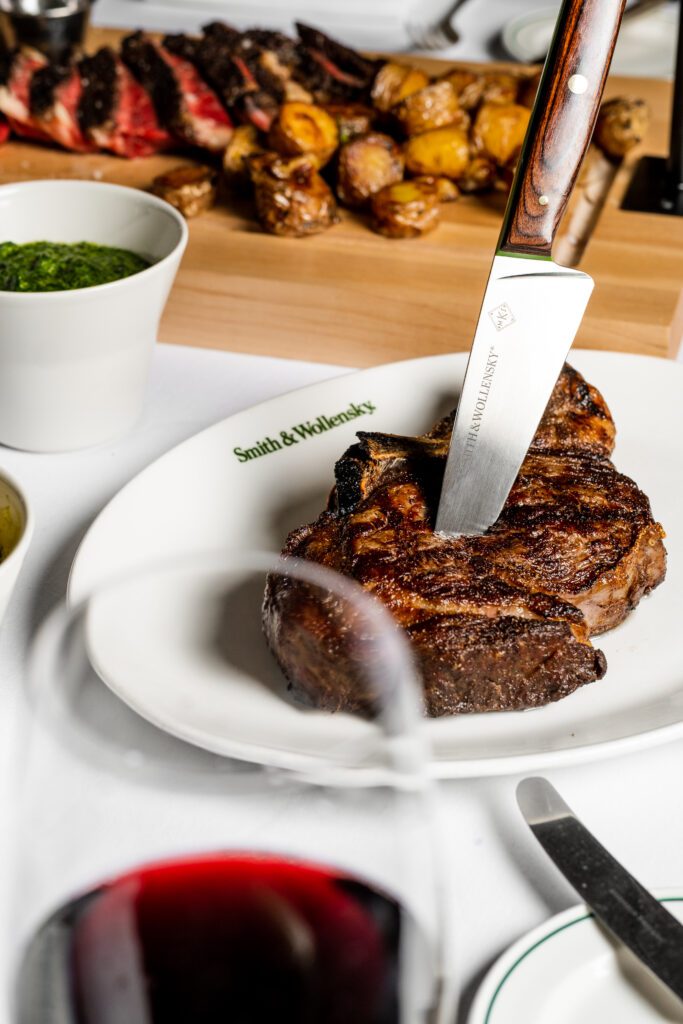
A juicy, grilled steak with a knife inserted sits on a Smith & Wollensky plate. In the background are roasted potatoes and sliced steak on a wooden board, with a bowl of green sauce and a glass of red wine nearby.

The Result on Your Plate

You'll taste the patience. A properly dry-aged steak has a depth of flavor that's genuinely difficult to describe until you've experienced it. It's beefier. More concentrated. A nutty, almost buttery taste develops through the aging process that is distinct from anything a wet-aged or fresh cut delivers. It's not a subtle difference, you will notice it.

The sear is different too. The drier surface of a dry-aged cut produces the Maillard crust, a dark, crackling exterior, faster and more completely than a moisture-heavy steak. The result is more crust, more caramelization, and more of what a great steakhouse meal is supposed to deliver.

At the table, the difference isn't just scientific. It's the kind of meal that stays with guests long after the evening ends, the one they reference when recommending us to a colleague, a friend, or anyone asking where to find the best dry-aged steak in the city. That's by design. It's also why we've never taken shortcuts with the process.

Arrow pointing to the left
Arrow pointing to the right
A hand is holding a large piece of dry-aged beef on a metal rack, with several other dry-aged beef cuts stacked on the shelves in the background.

The S&W Standard

In-house dry-aging is a commitment most steakhouses can't make. We made it in 1977 and we haven't stopped.

It's one of the reasons our USDA Prime dry-aged steaks have earned their standing as a benchmark for what American dry-aged steakhouse dining should be. The quality is consistent because the process is non-negotiable. And the process is non-negotiable because we believe, simply, that there is no substitute for doing things right.

At Smith & Wollensky, that belief extends to every detail, from the custom weight of our steak knives to the thoughtful sourcing of every cut on the menu. From the award-winning wine program curated to complement our beef, to the hospitality that's been the heartbeat of this place since day one.

Excellence, in other words, is not a finishing touch. It's the foundation.

Ready to taste the difference?

Reserve your table at America's Steakhouse and discover what 28 days of patience tastes like.

Reserve a Table

Dry Aging FAQs

How long has Smith & Wollensky been dry aging beef?


We’ve dry aged our beef in-house since Alan Stillman opened our doors in 1977. At a time when many steakhouses served beef aged elsewhere and bought pre-processed, we built our own aging program instead, and that commitment hasn’t changed since.

What makes Smith & Wollensky’s dry-aged steak different from other steakhouses?


Aging happens entirely in-house rather than being outsourced or expedited. Temperature, humidity, and airflow are precisely controlled throughout the process, and the 28-day minimum is treated as a floor, not a target, so quality stays consistent cut to cut.

What does dry-aged beef taste like?


It’s beefier and more concentrated, with a nutty, almost buttery flavor that develops through the aging process. That depth is genuinely difficult to describe until you’ve experienced it, and it’s a distinct, noticeable difference from a wet-aged or fresh-cut steak.

Why does dry-aged steak develop a better crust?


The drier surface of a dry-aged cut produces the Maillard crust, a dark, crackling sear, faster and more completely than a moisture-heavy steak. That means more caramelization and more of the texture contrast a great steakhouse meal is supposed to deliver.